World Bank Group Doubles Down on Risky Strategy Despite Microlending Gaps
“World Bank Group Doubles Down on Risky Strategy Despite Microlending Gaps” by Amy Ekdawi was originally published on Just Security. The story of a farmer laden with microlending debt who
The Reconstruction Vacuum in Lebanon
On June 26, Lebanon signed a US-mediated framework agreement with Israel, after months of airstrikes, military incursions, mass displacement, and large-scale destruction. The deal will reportedly usher in a phased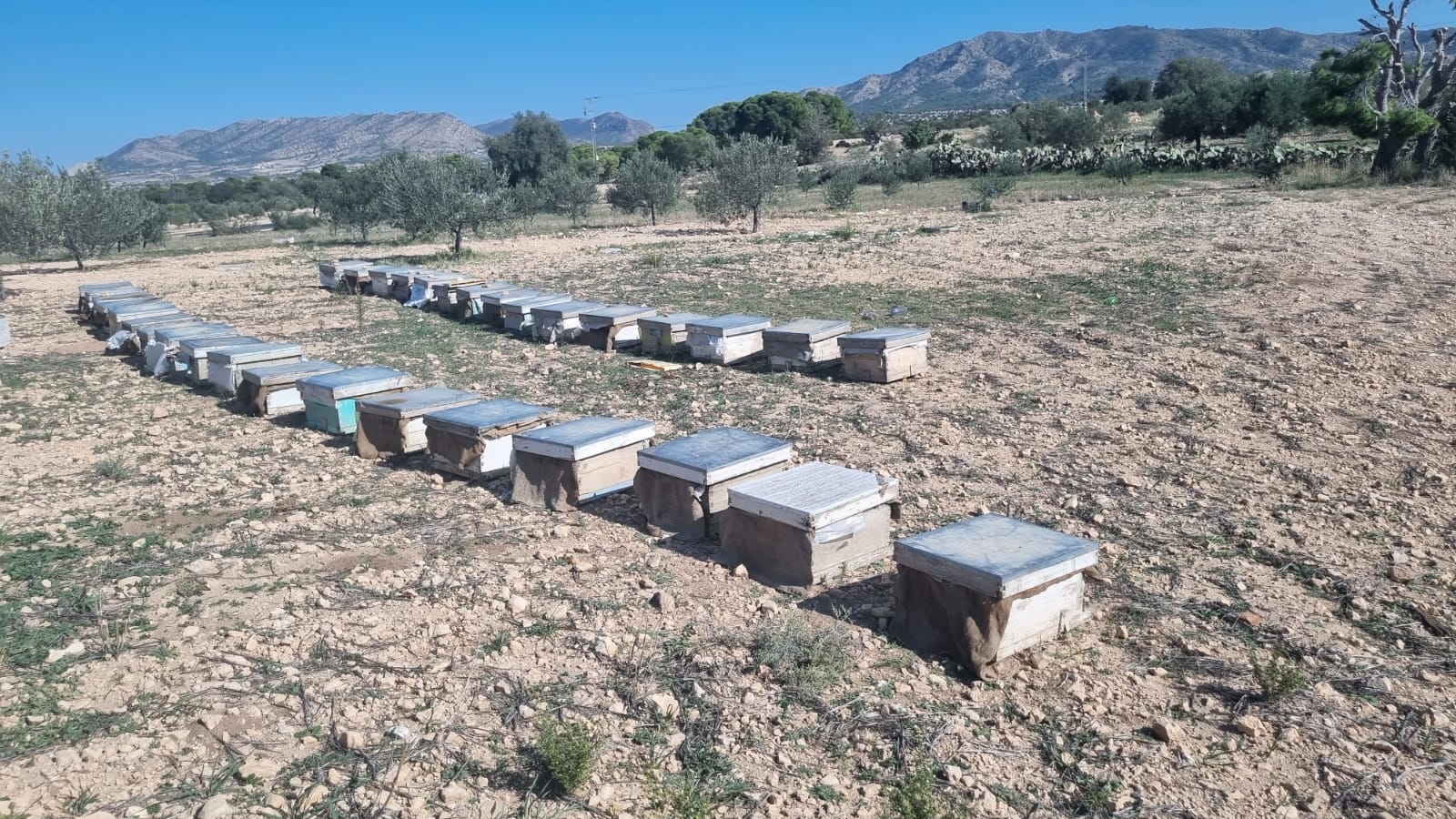
Interview: Charfeddine Yakoubi on Monitoring World Bank-Financed Agricultural Project in Tunisia
Interview with Governance Expert Charfeddine Yakoubi As part of the regional project Towards Sustainable Agricultural Policies and Practices in the Middle East and North Africa, the Arab Watch Coalition (AWC)
The WBG FCV Strategy (2026-2030): Few Wins, Remaining Gaps, and Stripped Accountability
The World Bank Group’s newly released Strategy for Engaging in FCV Settings (2026–2030) marks a significant evolution in how the institution intends to navigate volatile environments, particularly through its shift
Reconstruction Priorities in Post-War Lebanon and the Imperative for Accountable, Equitable Recovery — a Primer by Arab Watch Coalition
In the wake of the 2024–2025 Israeli assault on Lebanon, the question of reconstruction has re-emerged as an urgent national priority. Yet this is not reconstruction as the country has
The Lebanese Government is Formed—Nine Urgent Priorities for Economic Recovery
Lebanon’s economic trajectory remains precarious following the devastating war with Israel (October 2023–November 2024), which compounded an already severe financial crisis. With the IMF expected to reengage in negotiations for
Tunisia’s IMF Journey: Unveiling the Successes, Failures, and Ongoing Challenges.
Brief Introduction to the Study Tax policy is one of the fundamental tools of economic policy that states use to achieve an effective balance between public resources and expenditures while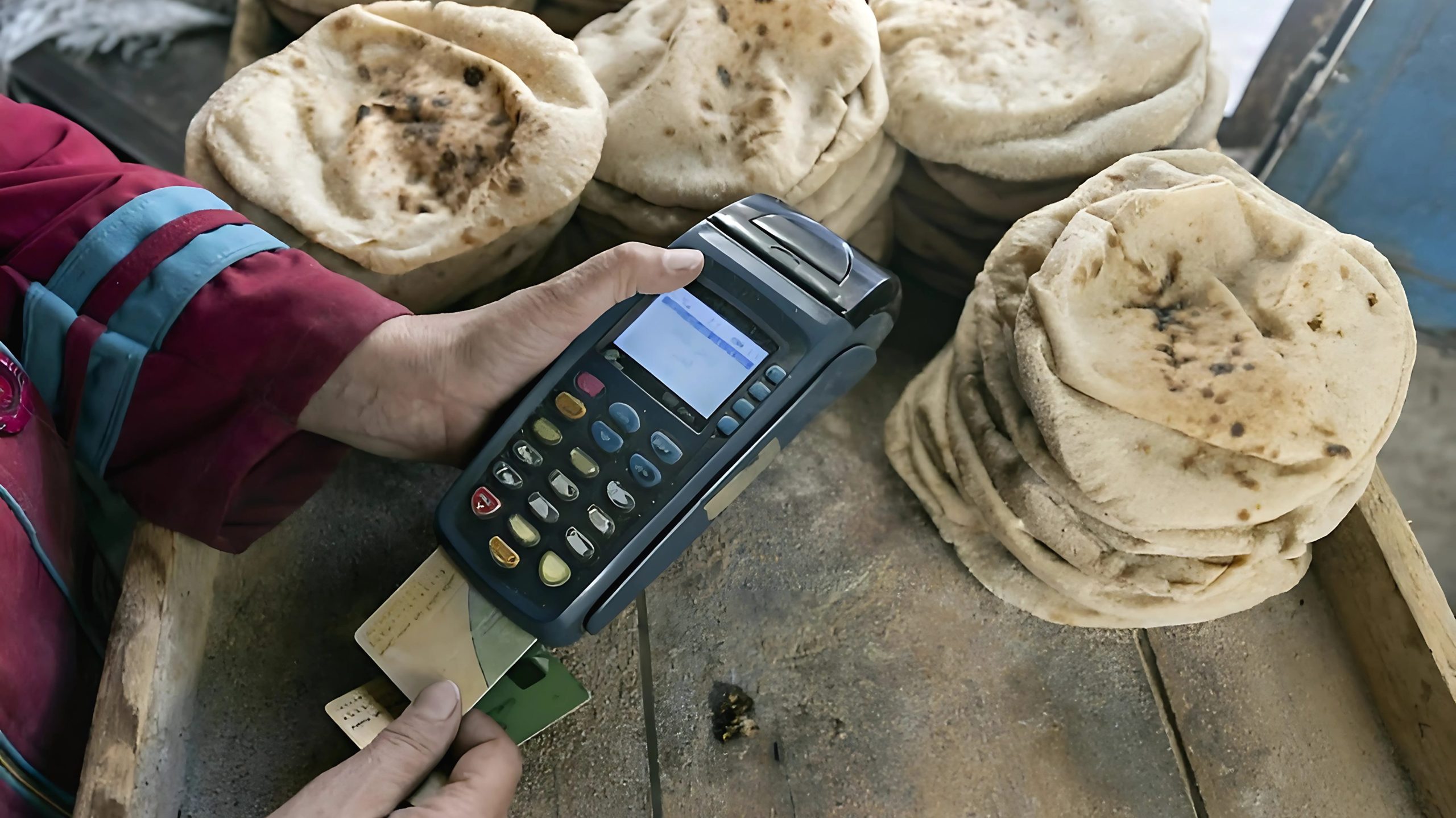
A Mess of Pottage: Cash and Kind
Introduction The Tamween (‘Supply’) system, a subsidized goods distribution network operating through ration cards, has served as a cornerstone of Egypt’s welfare state since the early 1960s. Beyond representing
Private sector acquisition of the Public Healthcare Sector: Context, Implications & Alternatives to private-sector-led growth as per the IMF key goals in Egypt–A Primer
Abstract The reform of Egypt’s public sector is a key condition for the latest $8bn transaction from the IMF. This includes the sale of state companies as well as the