Understanding and Engaging with the IMF: A Toolkit for Arab Civil Society Organizations
The International Monetary Fund (IMF) plays a significant role in shaping economic policies across the Arab region, influencing everything from fiscal reforms to social spending. However, its decision-making processes often
Understanding the World Bank’s Updated CCE Framework and New Monitoring Indicator: Key Insights and CSOs’ Recommendations
This overview is based on key consultation documents, including “Citizens at the Center: A Strategic Review of Good Practices and Lessons Learned for the Renewal of World Bank Support for
AWC’s Comments and Recommendations on the World Bank Group’s Proposed New Country Engagement Approach
As part of the World Bank’s Evolution Process, which began two years ago, the WBG is reviewing its country engagement approach to align with its new vision and mission. The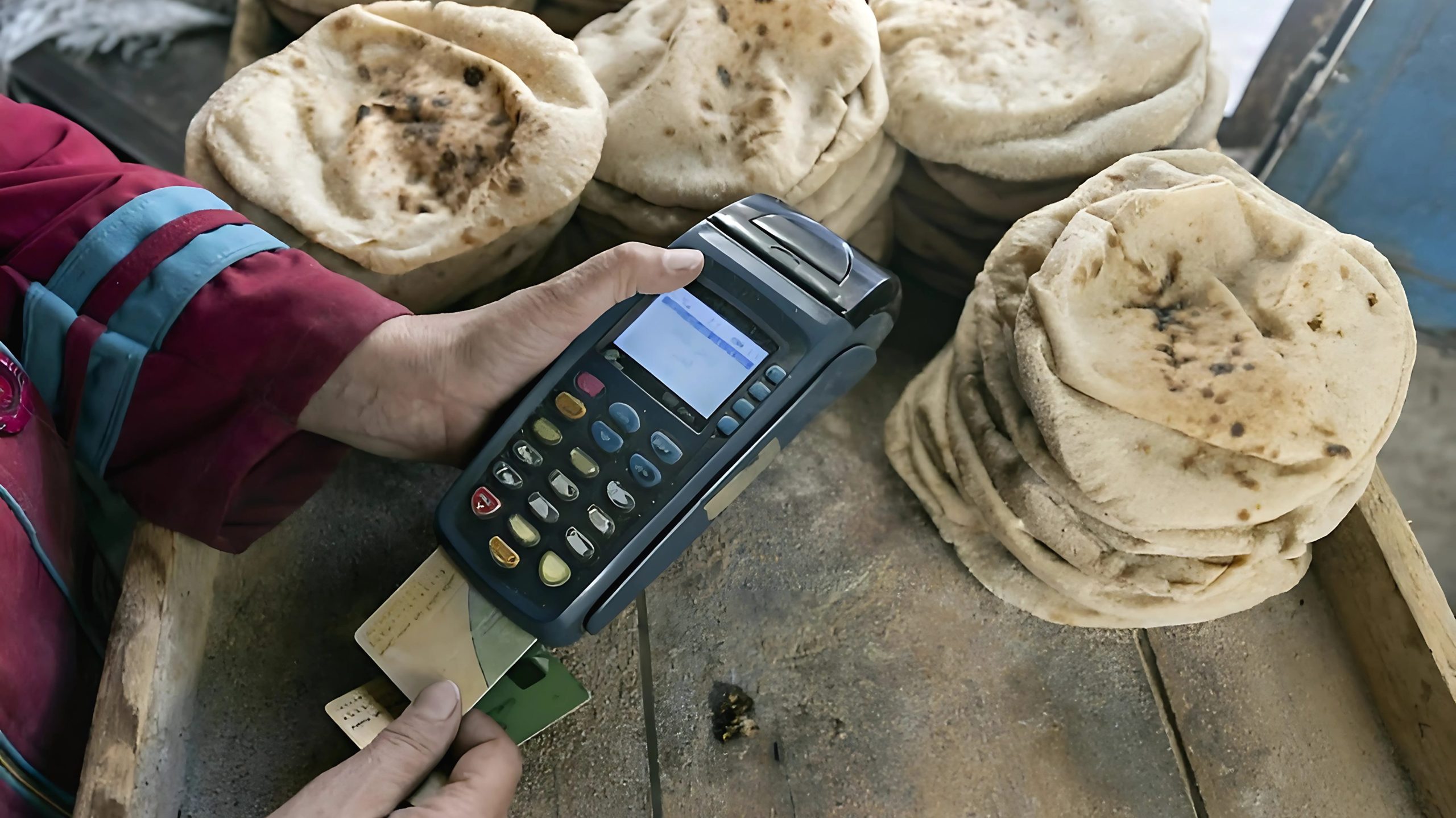
A Mess of Pottage: Cash and Kind
Introduction The Tamween (‘Supply’) system, a subsidized goods distribution network operating through ration cards, has served as a cornerstone of Egypt’s welfare state since the early 1960s. Beyond representing
Private sector acquisition of the Public Healthcare Sector: Context, Implications & Alternatives to private-sector-led growth as per the IMF key goals in Egypt–A Primer
Abstract The reform of Egypt’s public sector is a key condition for the latest $8bn transaction from the IMF. This includes the sale of state companies as well as the
An IMF Advocacy toolkit for Organizations Based in the Arab World
Introduction to the toolkit This toolkit is part of a three-part series designed to empower civil society organizations (CSOs), activists, and policymakers with a thorough understanding of the International Monetary
A Guide to Access World Bank Project Information and Understand Project Documents for CSOs
Introduction to the toolkit The Arab region has long faced a gap in awareness regarding the profound influence International Financial Institutions (IFIs) have in shaping development in their respective countries.
The Evolution of the World Bank’s Independent Accountability Mechanism: From a Beacon for Accountability to a Confusing Structure
In 1993, under intense pressure from civil society, the World Bank established the Inspection Panel to address complaints from people who believe they may be adversely affected by the Bank’s
The Mirage of Engagement: Unraveling the IMF’s Lip Service to Arab Civil Society
In today’s global financial landscape, the International Monetary Fund (IMF) is often viewed as a key ‘architect’, structuring financial frameworks that dictate the economic paths of nations facing acute financial