
Lebanon
Context: From Collapse to Reconstruction Needs
Since 2019, Lebanon has faced one of the most severe economic collapses in modern history. The October 2019 uprising revealed widespread anger at corruption, sectarian patronage, and decades of financial mismanagement. In 2020, Lebanon defaulted on its sovereign debt for the first time in history, triggering banking sector collapse and a currency freefall that erased more than 90% of the Lebanese pound’s value.
The Beirut Port explosion in August 2020 devastated the capital, killing over 200 people, displacing tens of thousands, and destroying critical infrastructure. Reconstruction has been slow, hindered by political paralysis and corruption.
By 2021–2022, living conditions had sharply deteriorated: electricity and water shortages became routine, unemployment soared, and over 80% of the population fell into multidimensional poverty. Social fabric weakened further under mass emigration, failing public services, and the strain of hosting more than a million Syrian refugees.
In 2023–2024, IMF negotiations stalled amid political deadlock and unfulfilled reforms. The situation worsened in 2024–2025 as regional war compounded destruction and humanitarian needs, especially in southern Lebanon. A World Bank 2025 Rapid Damage and Needs Assessment (RDNA) estimated up to US$11 billion in reconstruction costs, underscoring the urgency of transparent, accountable recovery.
Arab Watch Coalition (AWC) in Lebanon
AWC works closely with its members and partners in Lebanon – a total of four– to monitor International Financial Institutions (IFIs), particularly as they shape reconstruction, fiscal reforms, and social policy.
International Monetary Fund (IMF)
In April 2022, Lebanon reached a staff-level agreement with the International Monetary Fund (IMF) for a US$3 billion Extended Fund Facility (EFF). Yet, the program remains stalled due to the government’s failure to implement the necessary reforms. This deadlock has only deepened as Lebanon now faces the compounded pressures of war, which have further eroded state capacity, strained public finances, and intensified the humanitarian emergency.
Despite these challenges, the IMF has continued its engagement through Article IV consultations, pressing for urgent measures to stabilize the economy. Its recommendations have focused on resolving the banking sector crisis, advancing fiscal consolidation, and establishing more robust and targeted social protection programs. In the context of ongoing conflict, however, these reforms take on an added layer of urgency: they are not only needed to restore macroeconomic stability but also to mitigate the devastating impact of war on already vulnerable populations.
World Bank Group (WBG)
Lebanon became a member of the World Bank in 1947 and today has 21 active projects that span social protection, electricity, and recovery efforts. In August 2025, the Bank approved US$250 million to help stabilize and decarbonize Lebanon’s struggling power sector, a move seen as essential both for addressing the country’s chronic electricity crisis and for advancing climate goals. The 2025 Rapid Damage and Needs Assessment (RDNA) further underscored the scale of Lebanon’s challenges, flagging US$11 billion in reconstruction needs, figures that reflect not only the toll of long-standing economic collapse but also the devastating impact of the ongoing war.
Alongside the Bank’s efforts, the International Finance Corporation (IFC) has been a key partner, investing more than US$920 million in Lebanon since 2005. In recent years, IFC support has shifted toward the digital economy and job creation, seeking to generate opportunities in a context of widespread unemployment and economic precarity.
Together, these interventions highlight both the critical role of international financing in Lebanon’s recovery and the stark gap between available resources and the country’s immense reconstruction demands.
European Investment Bank (EIB)
The European Investment Bank (EIB) has been active in Lebanon since 1978, channeling long-term financing to support the country’s development priorities. By 2025, the EIB had invested a total of €1.76 billion across 43 projects, with a strong focus on infrastructure and private-sector development. These investments have played an important role in maintaining critical services and fostering economic activity, even as Lebanon faces the compounded challenges of economic collapse and war, which continue to strain the capacity of institutions and heighten the urgency of sustainable recovery.
European Bank for Reconstruction and Development (EBRD)
The European Bank for Reconstruction and Development (EBRD) began its operations in Lebanon in 2017, marking a significant expansion of its regional engagement. Since then, it has committed €868 million across 10 projects, with an active portfolio currently valued at €499 million. These investments have focused on supporting the private sector, strengthening resilience, and fostering sustainable growth—efforts that have become increasingly critical as Lebanon grapples with the compounded effects of economic collapse and ongoing war.
Asian Infrastructure Investment Bank (AIIB)
Lebanon has been a prospective member since 2018, but membership is not yet finalized.
World Bank Group Doubles Down on Risky Strategy Despite Microlending Gaps
“World Bank Group Doubles Down on Risky Strategy Despite Microlending Gaps” by Amy Ekdawi was originally published on Just Security.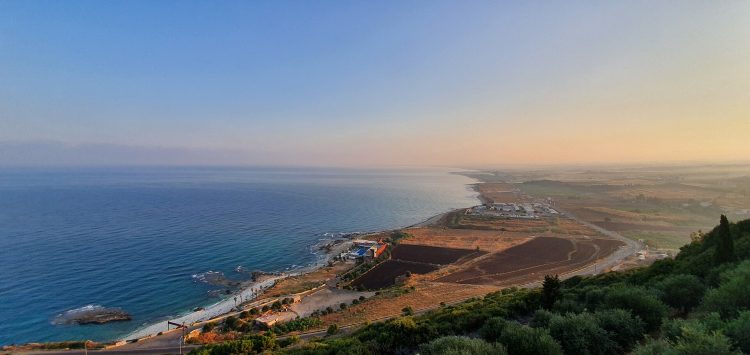
The Reconstruction Vacuum in Lebanon
On June 26, Lebanon signed a US-mediated framework agreement with Israel, after months of airstrikes, military incursions, mass displacement, and
The WBG FCV Strategy (2026-2030): Few Wins, Remaining Gaps, and Stripped Accountability
The World Bank Group’s newly released Strategy for Engaging in FCV Settings (2026–2030) marks a significant evolution in how the
Reconstruction Priorities in Post-War Lebanon and the Imperative for Accountable, Equitable Recovery — a Primer by Arab Watch Coalition
In the wake of the 2024–2025 Israeli assault on Lebanon, the question of reconstruction has re-emerged as an urgent national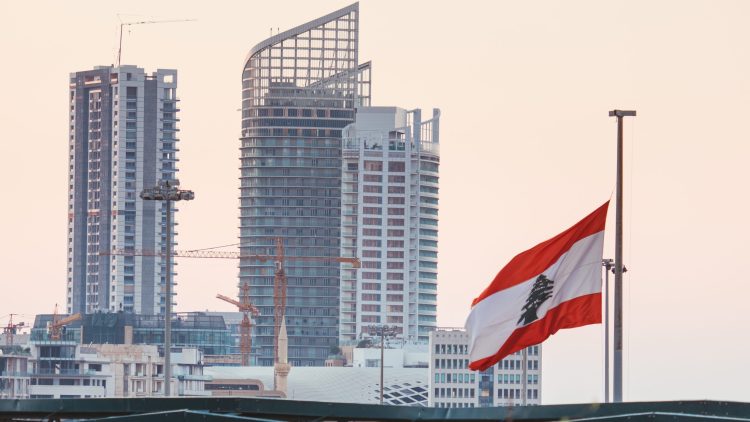
The Lebanese Government is Formed—Nine Urgent Priorities for Economic Recovery
Lebanon’s economic trajectory remains precarious following the devastating war with Israel (October 2023–November 2024), which compounded an already severe financial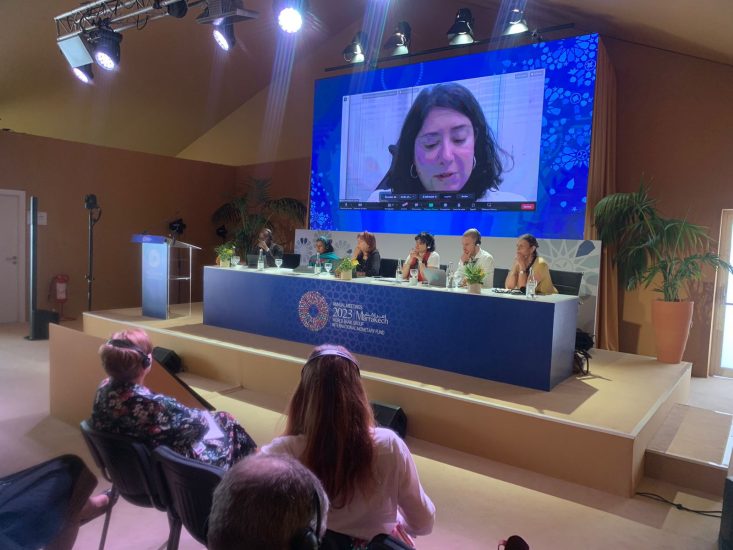
Bisri Dam Project Fallout: The Nahouli Family’s Battle for Compensation Exposes Gaps with the World Bank’s Due Diligence
Myriam Nahouli delivering her testimony during the CSPF panel titled: “Examining Barriers to Accountability for Communities in the Middle East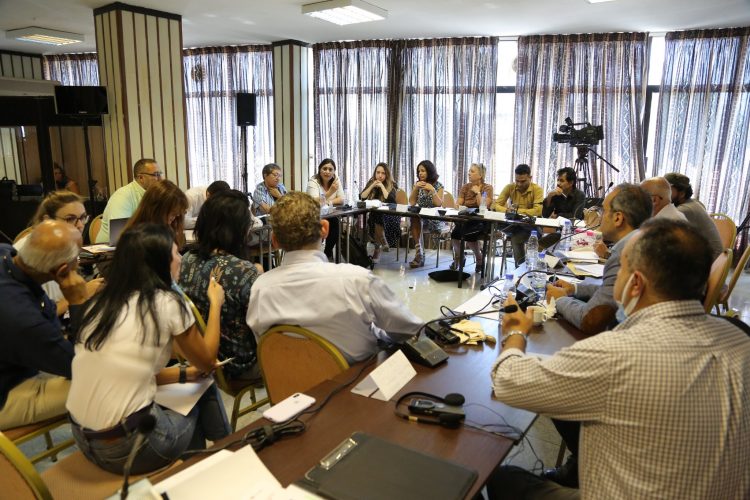
Two-Days Workshop to discuss the Independent Accountability Mechanisms (IAMs) of the International Financial Institutions
On July 28 & 29, 2022, the Arab Watch Coalition held a workshop in Lebanon about the Independent Accountability Mechanisms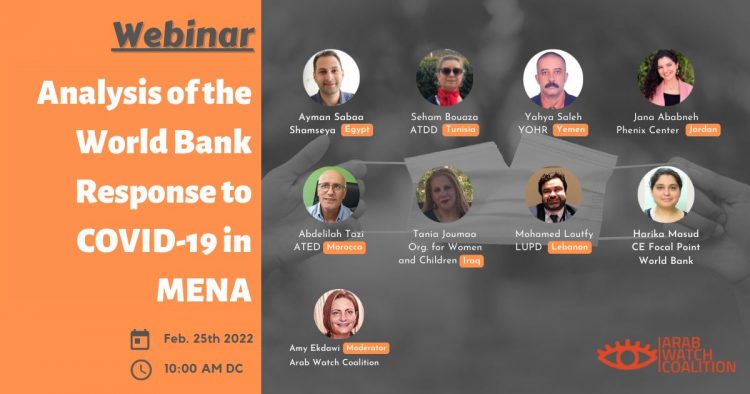
AWC analysis of the World Bank’s COVID-19 response in MENA
On February 25, Arab Watch Coalition held an online Webinar to introduce 7 case studies conducted by its organization members
Missing receipts: what happened to the billions of dollars provided by international finance institutions for the COVID-19 response?
Press Release 31 January, 2022 – International Financial Institutions (IFIs) have designated billions of dollars to respond to the pandemic