
Between Paper and Reality: Is It Time for the World Bank’s FCV Strategy to Hear Local Voices?
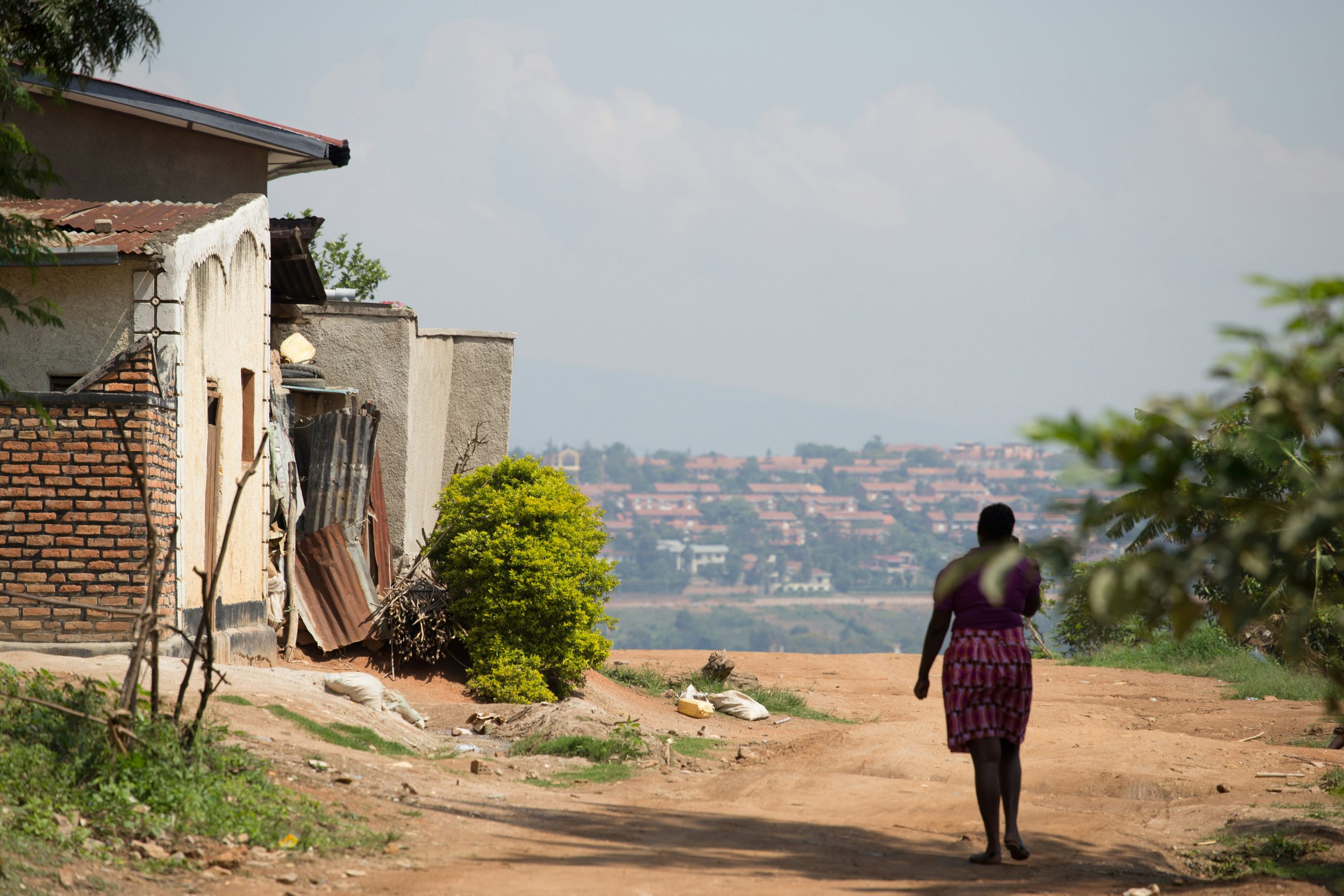
In a world where conflicts are escalating and fragility is deepening, the need for more profound and proactive development responses has never been greater. The World Bank Group (WBG) Strategy for Fragility, Conflict, and Violence (FCV) 2020–2025 was an ambitious attempt to redefine how the world’s largest development institution engages in the most complex environments. Yet the gap between what the strategy promises on paper and what it delivers on the ground remains wide and it is precisely this space that civil society organizations (CSOs) must step in to fill.
This blog comes at a critical moment. The WBG is conducting a comprehensive review of the FCV Strategy ahead of adopting a new strategic framework. For civil society, this is not merely an opportunity—it is a responsibility. CSOs must position themselves as strategic partners in this review, ensuring that hard-won lessons from the field and the most pressing challenges on the ground are translated into actionable policy. The purpose of this piece is to highlight how the WBG can meaningfully activate the role of civil society in the next strategy—leveraging it as a powerful tool for advocacy, accountability, and turning the ambitions set out in policy documents into real outcomes for those who need them most.
Key Features of the Current Strategy
To appreciate what is at stake, it is useful to take stock of the current strategy’s core pillars—both its strengths and its shortcomings.
Strengths to Build On
- A shift toward prevention. The strategy prioritizes addressing the root causes of conflict—economic inequalities, discrimination, and exclusion—rather than waiting for hostilities to end before investing in reconstruction.
- Context-sensitive and flexible programming. The strategy acknowledges that “there can be no one-size-fits-all approach” to FCV, opening the door for programs to be tailored to the distinct history, geography, and conflict dynamics of each country and local context.
- A significant increase in financing. Resources allocated to countries affected by fragility and conflict have grown substantially, whether through the International Development Association (IDA), the FCV Envelope, or other mechanisms such as the Global Concessional Financing Facility and the Private Sector Window.
- Engaging the private sector. The strategy encourages integrated public-private solutions to create jobs, deliver services, and promote inclusive economic growth.
Challenges and Field-Level Implications
- Difficulty translating principles into practice. Despite the flexibility embedded in the strategy’s text, significant challenges persist in converting broad principles into effective, locally grounded programs.
- Information and access gaps. Operating in fragile environments is fraught with security risks that can restrict the access of WBG teams to certain areas. This creates a disconnect between centrally designed projects and the realities on the ground—precisely the kind of gap that local actors are best positioned to bridge.
- Insufficient local accountability. Accountability mechanisms for monitoring project performance and ensuring compliance with the WBG’s Environmental and Social Framework need strengthening, particularly at the local level, to ensure that services actually reach their intended beneficiaries.
- Sensitive partnerships with security actors. The strategy opens the door to engagement with security and military entities, which raises important questions about safeguards for human rights and the risk of development assistance being instrumentalized in conflict.
Why the Current Strategy Review Is a Defining Moment
The WBG’s FCV Strategy is undergoing a comprehensive review in preparation for a new strategic framework. This process carries particular significance for several reasons:
- A wealth of accumulated experience. Years of implementation have produced valuable lessons—both from successful interventions and from approaches that fell short.
- Evolving concepts and interconnected risks. The understanding of fragility and conflict has grown considerably more complex. Today, FCV challenges are deeply intertwined with climate change, food insecurity, forced displacement, and migration—realities that the next framework must address in a more integrated manner.
- An imperative to integrate local voices. The review offers a rare and valuable opportunity to incorporate perspectives from local actors—perspectives that may not have received adequate attention in the original formulation of the strategy. Doing so would significantly increase the strategy’s relevance and its chances of success on the ground.
The Importance of Civil Society Engagement and Its Active Role
Civil society organizations occupy a unique position that makes them indispensable to enhancing the effectiveness of the WBG’s FCV engagement both during the current review and in the implementation that follows.
Local Knowledge and Field Expertise
Local organizations bring a depth of understanding of the social, cultural, and political dynamics of the communities in which they work—knowledge that is difficult to replicate from headquarters. This positions them to:
- Identify the real drivers of fragility in their communities, including dynamics that macro-level Risk and Resilience Assessments (RRAs) may not fully capture.
- Understand local conflict dynamics, power structures, and the social networks that shape them.
- Offer a grounded, realistic assessment of the challenges and opportunities in each context.
Reaching the Most Vulnerable and Marginalized
CSOs maintain networks of trust and community relationships that enable them to reach populations that large institutions often struggle to access. These include:
- Remote and conflict-affected communities where WBG staff may have limited physical presence.
- Women and girls in fragile contexts, whose needs require gender-sensitive and culturally informed approaches.
- Internally displaced persons (IDPs) and their host communities, both of whom face distinct development challenges.
- Ethnically, socially, or otherwise marginalized groups that are frequently excluded from formal development processes.
Oversight and Accountability
Local organizations can play a vital role in strengthening the transparency and effectiveness of WBG-financed projects by:
- Monitoring implementation on the ground and tracking compliance with the WBG’s Environmental and Social Framework.
- Providing continuous, real-time feedback on project performance and its actual impact on communities.
- Reporting violations or breaches of standards, contributing to adaptive management and improved implementation quality.
Sustainability and Social Cohesion
CSOs contribute to the long-term sustainability of development interventions by:
- Building bridges of trust between local communities and state institutions—a critical dimension of renewing the social contract.
- Strengthening community dialogue and contributing to local conflict resolution and reconciliation.
- Empowering communities to take ownership of development programs and sustain their gains beyond the project cycle.
Opportunities and Recommendations for the Next Strategy
Drawing on the analysis above, the following recommendations may help shape a more effective and locally grounded strategic framework:
- Institutionalize local consultation mechanisms. Embed systematic processes for engaging CSOs throughout the entire program cycle—design, implementation, and evaluation—rather than limiting consultation to the launching phase.
- Develop participatory performance indicators. Work with local organizations to co-create performance metrics that reflect local realities, so that measuring success goes beyond rigid quantitative targets to encompass impacts on social cohesion, trust in institutions, and local stability.
- Simplify access to funding for local actors. Streamline the procedures through which local CSOs can access direct funding for community-level initiatives—particularly those with a proven track record in conflict prevention and peacebuilding.
- Invest in CSO capacity building. Dedicate resources to building the organizational and technical capacities of local civil society, enabling meaningful participation at every stage of the development project cycle.
- Establish clear safeguards for sensitive partnerships. Develop a transparent framework governing engagement with security and military entities, one that includes robust human rights protections and independent oversight mechanisms with active civil society participation.
- Leverage local feedback as a core data source. Formally adopt the reports, assessments, and field evaluations of local organizations as a reliable and recognized source for measuring project performance and impact on the ground.
Conclusion
The review of the World Bank Group’s Strategy for Fragility, Conflict, and Violence represents a pivotal opportunity to sharpen the tools of intervention in the world’s most challenging environments. Engaging civil society in this process is not a formality—it is a methodological necessity. Without it, there is little guarantee that the new strategy will be any more responsive to reality than the last.
The success of this review will depend in large measure on its willingness to absorb lessons from field experience, its flexibility in adapting to changing local contexts, and its capacity to forge genuine partnerships with local actors—those who possess the knowledge, the community trust, and the access to reach the most fragile and marginalized populations.
Ultimately, the greatest test for the next strategy will be whether it can close the gap between the lofty ambitions of policy documents and the complex realities on the ground—ensuring that high-level commitments translate into tangible improvements in the lives of people living in the communities most affected by fragility and conflict.
By Amy Ekdawi and Ammar Alshwbi