
Three Mechanisms Become One: Will the World Bank Group’s Single Accountability Mechanism Deliver Better Outcomes for Communities?
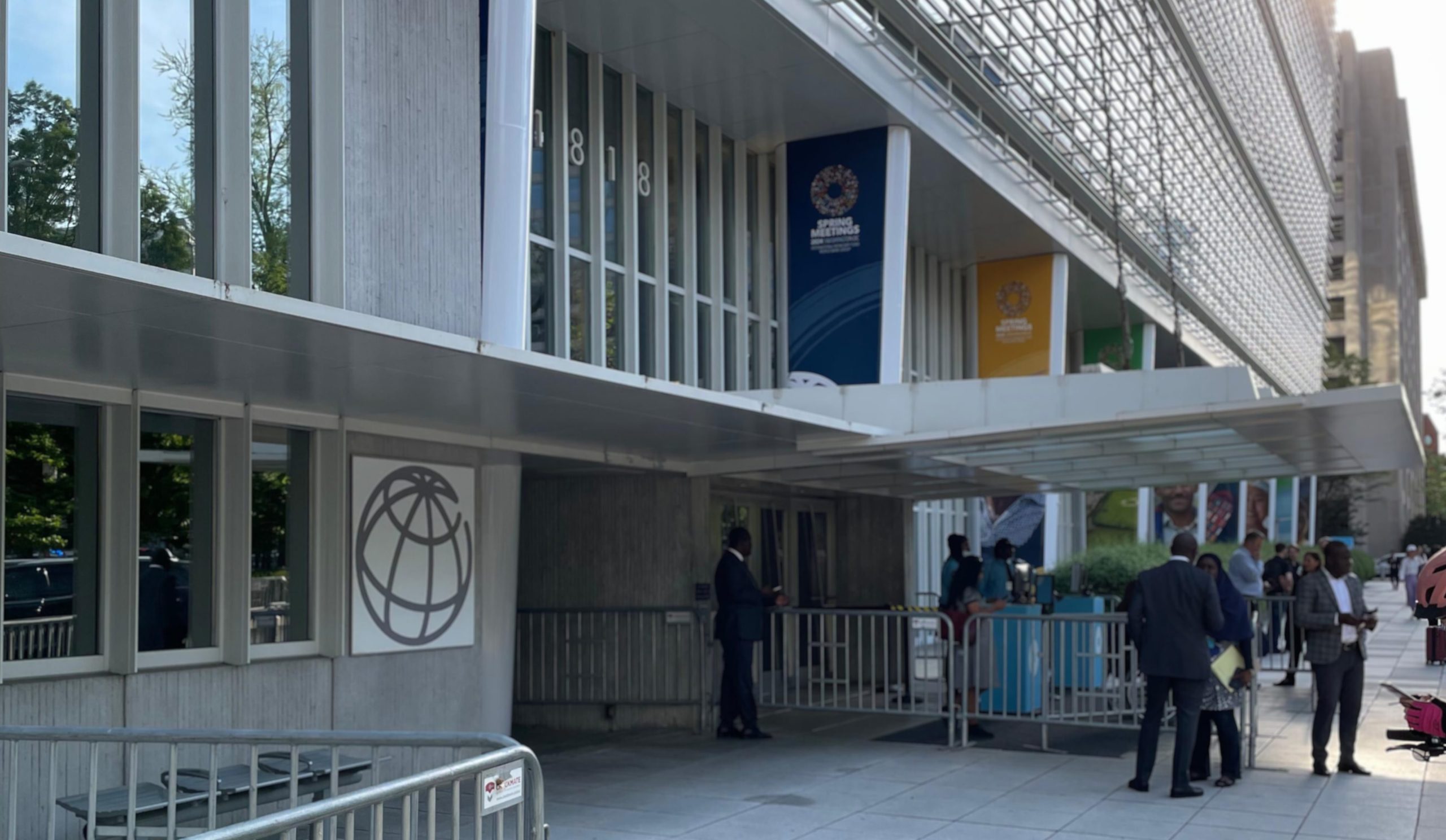
On June 9, 2026, the World Bank Group Boards approved the creation of a single Independent Accountability Mechanism (IAM), bringing together the institution’s three existing accountability mechanisms into one structure. The new mechanism will be led by a Vice President/Director General, report directly to the Boards, and combine compliance, dispute resolution, and advisory functions under a single institutional framework.
Until now, the World Bank Group operated three separate mechanisms: the Inspection Panel, which handles compliance complaints related to World Bank public-sector lending; the Dispute Resolution Service (DRS), which facilitates dispute resolution for World Bank public-sector projects; and the Compliance Advisor Ombudsman (CAO), which handles compliance, dispute resolution, and advisory functions for IFC (International Finance Corporation) and MIGA (Multilateral Investment Guarantee Agency) private-sector investments and guarantees.
For affected communities, this is a significant development. Independent Accountability Mechanisms are often the only independent avenue available to people seeking accountability when they believe a World Bank Group-financed project has caused harm. These mechanisms investigate compliance with environmental and social commitments, facilitate dispute resolution processes, and provide a channel through which communities can seek remedy.
As Arab Watch Coalition explained in a previous briefing note, the consultation process that preceded the Board’s decision focused on whether these mechanisms should remain separate or be brought together under a single institutional structure, as well as the policy changes that could accompany such a reform.
AWC’s Engagement Throughout the Process
Over the past several months, Arab Watch Coalition has actively engaged in discussions on the future of the World Bank Group’s accountability system, bringing perspectives from the Middle East and North Africa region and drawing on its experience supporting communities seeking accountability for harm linked to development projects.
AWC participated in consultations and exchanges with World Bank Group staff, accountability mechanism representatives, civil society organizations, and other stakeholders throughout the integration process. Through these engagements, AWC sought to ensure that the experiences of communities in the region—particularly those facing barriers related to civic space, access to information, and power imbalances—were reflected in the discussion.
As part of the public consultation process, AWC also submitted comments to the Independent Task Force responsible for developing recommendations for the World Bank Group Boards.
While much of the debate focused on institutional design and competing integration models, AWC emphasized that the most significant accountability challenges facing affected communities are not primarily structural.
Our submission highlighted concerns related to management responsiveness, policy disparities between accountability mechanisms, access barriers, institutional incentives, and the persistent gap between accountability findings and meaningful remedy for affected communities.
Among other recommendations, AWC argued that reforms should prioritize strengthening policies, improving management accountability, addressing barriers to access, and ensuring that communities obtain meaningful outcomes and remedy. The submission emphasized that accountability should ultimately be measured by its effectiveness for affected communities rather than by institutional design alone.
The Next Phase: Policy Development and Leadership Selection
With the Board’s decision now taken, attention is shifting from institutional structure to implementation.
The World Bank Group has stated that a new IAM framework will be developed under Board oversight and guided by the principle of non-regression. How that commitment is interpreted and implemented in practice will be critical.
Many of the issues raised throughout the consultation process remain unresolved, including:
- Access to accountability for affected communities
- Upward harmonization of policies from the former mechanisms into the new IAM framework
- Management responsiveness to findings and recommendations
- The development, implementation, and monitoring of remedial actions
- The practical application of the principle of non-regression
At the same time, one of the first implementation steps announced by the World Bank Group is the recruitment of the Vice President/Director General who will lead the new mechanism.
Recognizing the importance of this role, Arab Watch Coalition recently joined Accountability Counsel, Bank Information Center, Inclusive Development International, Recourse, SynDev, and Urgewald in a joint letter to the World Bank Group Board of Directors concerning the recruitment process.
The letter emphasizes that the World Bank Group’s commitment to non-regression should apply not only to policies but also to the selection process itself. The organizations call on the Board to ensure a transparent, competitive, and participatory recruitment process and to guarantee a meaningful role for civil society representatives, consistent with previous CAO leadership appointments.
For many civil society organizations, the selection of the first Vice President/Director General is one of the most consequential decisions in the implementation process, as it will help shape the independence, credibility, and effectiveness of the new mechanism for years to come.
→ Read the joint civil society letter
Looking Ahead
The Board’s decision settles the question of institutional structure. The next phase will determine how that structure functions in practice.
For Arab Watch Coalition, the central question remains the same: will the new mechanism improve accountability for affected communities?
The effectiveness of the new IAM will ultimately depend not on how it is organized, but on whether communities can access it, whether findings lead to action, whether harm is effectively addressed, and whether meaningful remedy is delivered.
AWC will continue to engage in this process and advocate for an accountability system that is accessible, independent, and responsive to the communities it is intended to serve.