Towards more inclusive, participatory, just and sustainable development. |
| |
AWC at the IMF/World Bank Spring Meetings 2026 |
| |
|
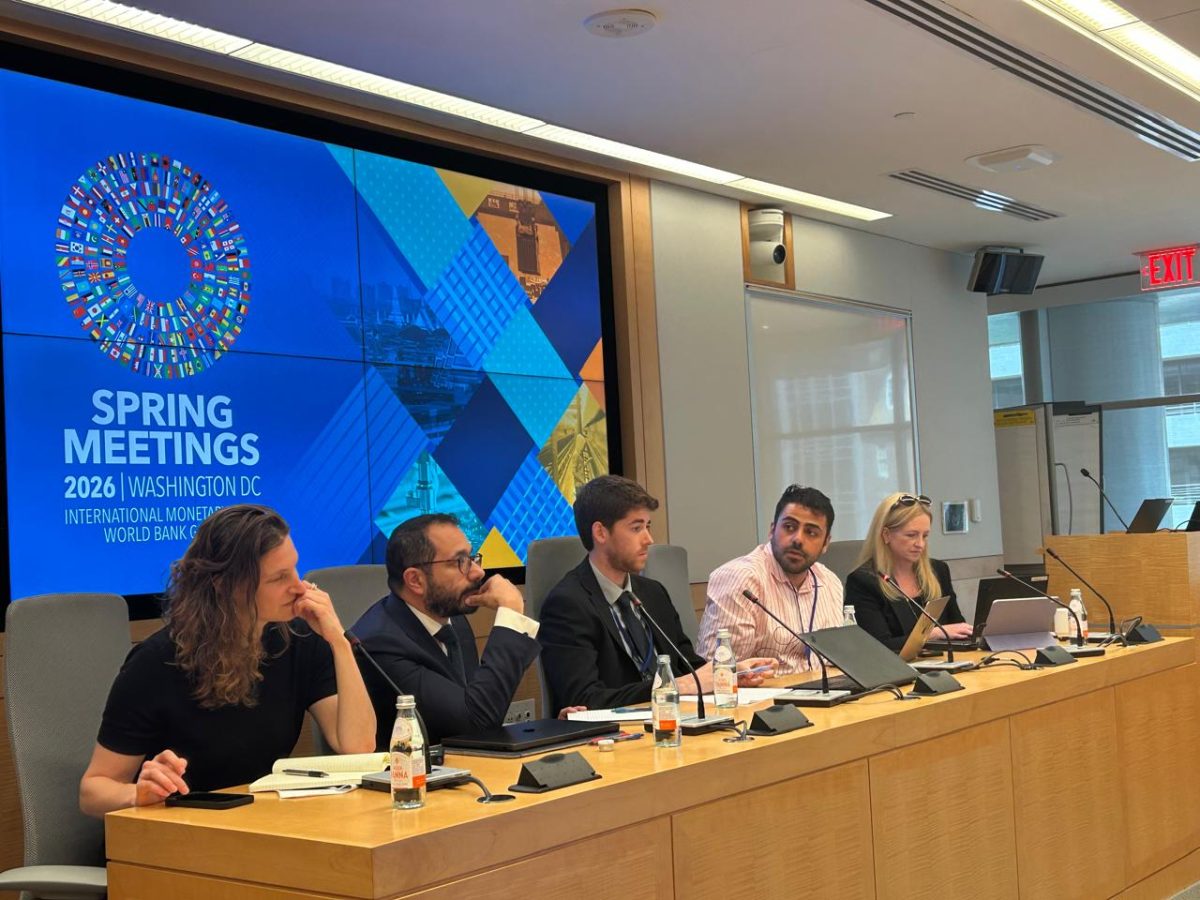
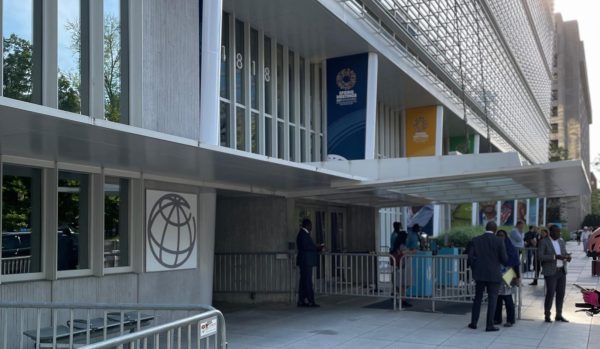
The 2026 Spring Meetings of the World Bank Group and the IMF took place at a moment of deep institutional transformation. The World Bank Group is in the midst of a significant organizational reorganization under the “One WBG" initiative”one that has resulted in changes to management structures, staff, merger of environmental and social teams as well as accountability mechanisms. IFC's Sustainability Framework is also being updated. And across the IMF's agenda, questions of austerity, conditionality, and who bears the cost of macroeconomic adjustment remain as urgent as ever particularly in fragile and conflict-affected settings.
For communities in the Arab region, these are not abstract institutional debates. They determine whether people harmed by development finance can access remedy, whether the information needed to hold institutions accountable is available, and whether reconstruction after conflict is governed in ways that serve those who lived through it or those who profit from rebuilding it. The stakes are high, and civil society engagement at these meetings is not a formality. It is one of the few levers available to push these institutions toward greater accountability and equity.
AWC engaged across this agenda throughout the week joining official consultations, submitting written recommendations grounded in years of regional experience, holding bilateral meetings with Bank management and IAM staff, and co-organizing four sessions at the Civil Society Policy Forum (CSPF) with partners. |
| |
|
What's Changing at the WBG? The Push to Reform Independent Accountability Mechanisms
|
| |
|
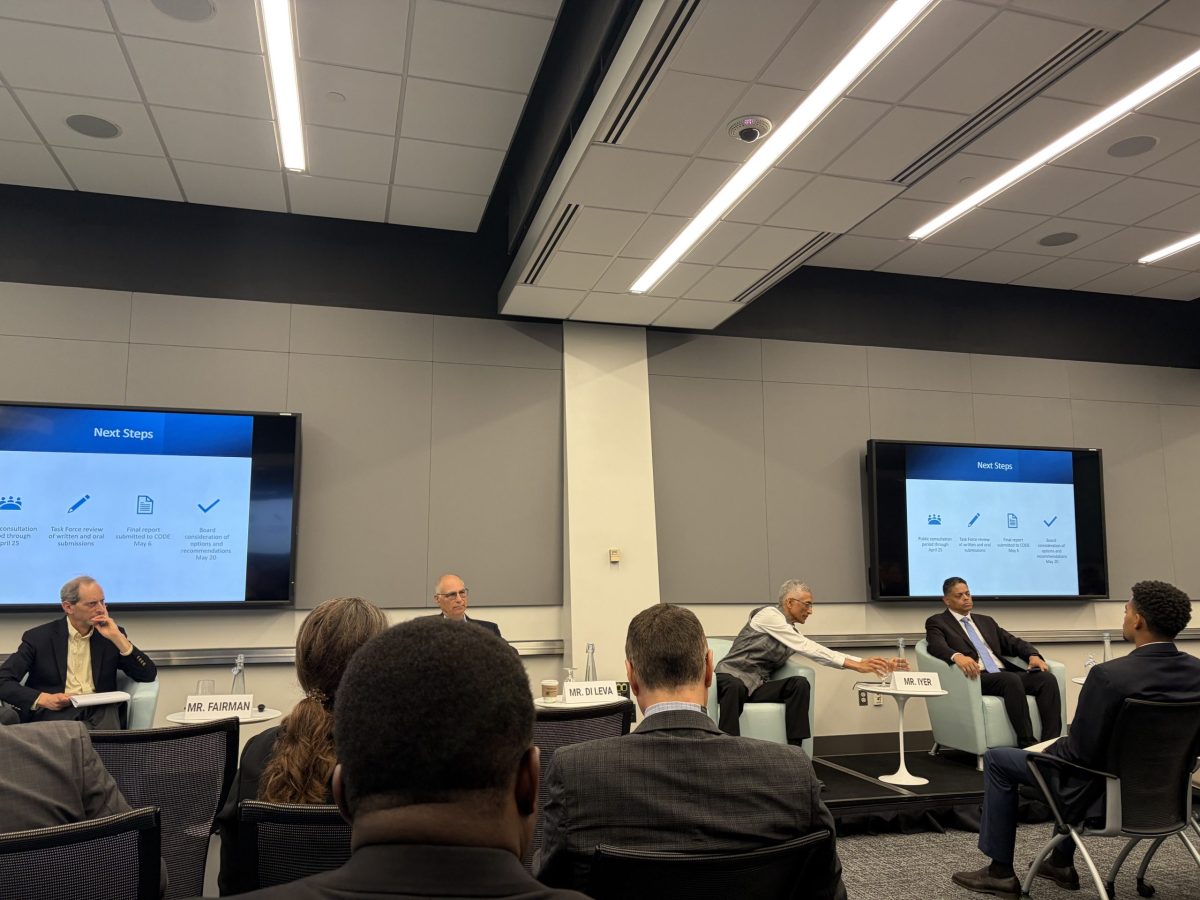
The World Bank Group is considering restructuring its three independent accountability mechanisms: the Inspection Panel (IPN), the Compliance Advisor Ombudsman (CAO), and the Dispute Resolution Service (DRS). Three options are on the table, ranging from light coordination to full integration under a single leadership structure. These mechanisms are avenues people turn to when harmed by WBG-financed projects. AWC joined the public consultation on the Task Force’s¹ draft report and submitted formal written comments not just to weigh in on the structural options, but to fundamentally challenge what the reform process is about.
"The WBG's accountability system is not failing because of integration or the lack thereof. It is failing because communities cannot access it, because management resists its findings, and because the institutional culture treats complaints as threats rather than as essential information."
AWC'S SUBMISSION
The Task Force states that "there is not a crisis in the operations of any of the three IAMs." AWC disagrees. The crisis is in the outcomes the mechanisms produce for affected communities. The Task Force's own report acknowledges significant differences across the mechanisms: in accessibility, eligibility criteria, case backlogs, and in authority including the ability to initiate investigations independently, recommend remedial actions, and monitor and verify implementation of Management Action Plans without requiring Board approval. And beyond these differences lie deep institutional issues: management resists findings, delays responses, and delivers weak or incomplete remedial actions and Board interference has previously blocked cases from advancing. Debating whether to choose Option 1, 2, or 3 before addressing these failures in implementation risks locking in existing weaknesses under a new architecture. Strengthening implementation must come first: resolve disparities between public and private sector mechanisms through upward harmonization, remove access barriers, and increase IAM capacity and budget especially as the WBG takes on more risk in fragile contexts. Above all, the institution must shift from a risk-averse mentality where the default response is denial of harm, toward a culture that treats the identification of harm as an opportunity to address it and in doing so, strengthen the credibility and effectiveness of its own development mission.
¹ The Independent Task Force on IAM Integration was commissioned by the World Bank Group's Board of Directors to examine whether the three independent accountability mechanisms — the Inspection Panel, the Compliance Advisor Ombudsman (CAO), and the Dispute Resolution Service (DRS) should be restructured or integrated. The Task Force published a draft report in March 2026 setting out three structural options for the future of the mechanisms, and opened a public consultation process to gather civil society and stakeholder input before the report is finalized and submitted to the Board's Committee on Development Effectiveness (CODE).
|
| |
|
Updates on IFC Sustainability Framework and Access to Information
|
| |
|
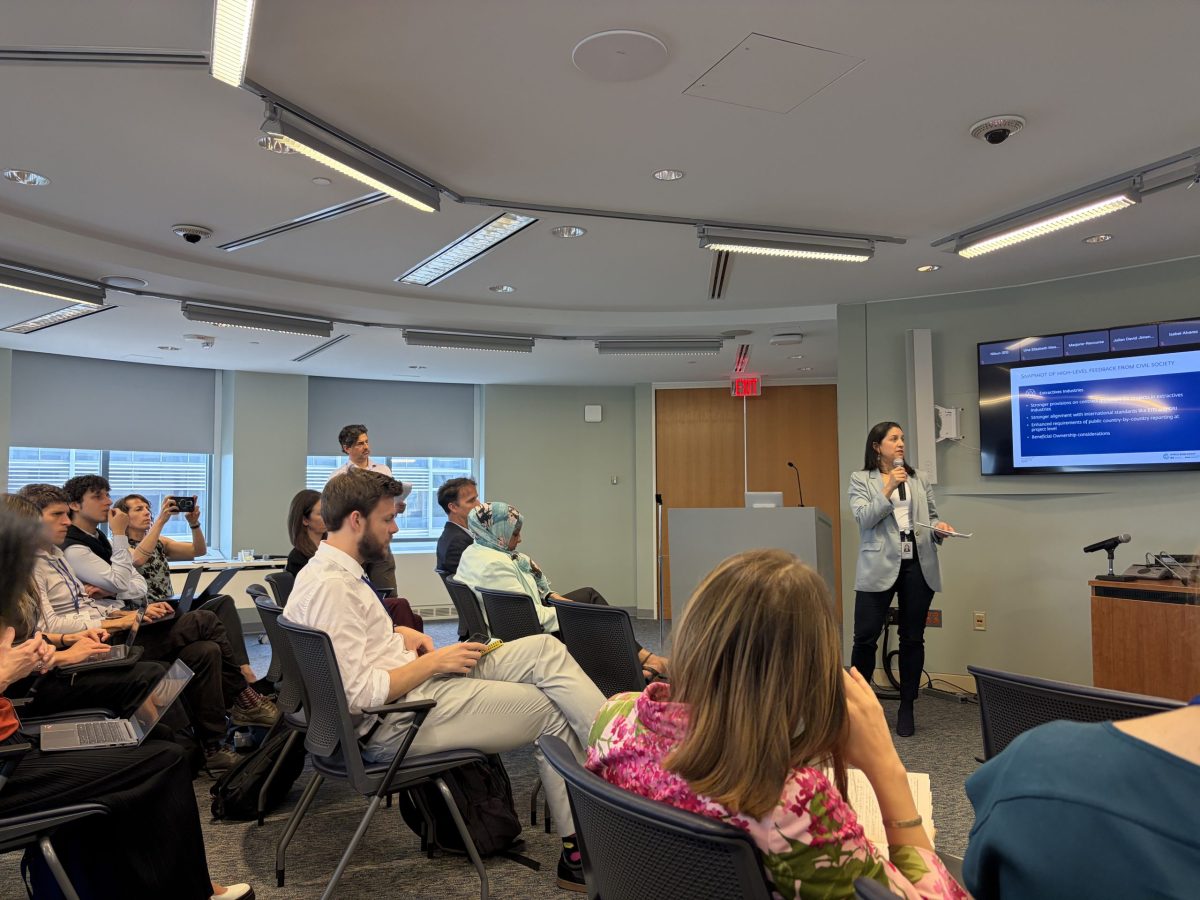
IFC is undertaking a long-overdue update to its Sustainability Framework, including the Access to Information Policy (AIP) — the document that determines what the public can access about IFC-financed projects and how. Access to information is foundational to accountability: without it, communities cannot meaningfully know about projects that affect them, anticipate risks, or monitor whether IFC's standards are being implemented. Civil society equally cannot advocate effectively without access to the information that reveals what is happening on the ground. AWC attended the IFC/MIGA Sustainability Framework Update information session and intervened as part of its broader engagement on this issue. AWC leads the AIP working group, a coalition of civil society organizations that have been coordinating throughout the Sustainability Framework update process. The group produced a joint submission bringing together detailed recommendations grounded in international right-to-information standards and the direct experience of organizations that have tried and often failed to access information from IFC. At the session, AWC and partners intervened directly on the issues the submission had documented, going on the record with IFC management and staff. AWC also raised two issues that had been flagged in prior civil society engagements but remained unaddressed: a dedicated meeting with IFC on accessibility for people with disabilities, and a binding commitment to respond in the requester's language and translate project documents into the languages of the countries where it operates. With the new IFC Disclosure Portal now launched, AWC made clear that a website redesign does not substitute for genuine reform of what gets disclosed and how.
|
THE JOINT SUBMISSION — KEY CONCERNS AND RECOMMENDATIONS
The current AIP falls significantly short of international right-to-information standards and comparable IFI policies. The submission, led by the Centre for Law and Democracy and co-developed with AWC, Bank Information Center, Oxfam, Recourse, the International Trade Union Confederation, and others, identifies several concrete policy gaps. The AIP's scope is deliberately kept narrow — this has resulted in information requests being rejected simply because the requested information falls outside the policy's limited definition of what IFC is required to disclose. Most exceptions contain no requirement to demonstrate actual harm, giving IFC wide discretion to withhold without justification. The public interest override, which should allow disclosure when the public benefit outweighs any risk, is framed as discretionary and applies only in a narrow set of circumstances. The appeals process is constrained in scope, with no public record of decisions and no annual reporting on how the policy is being implemented in practice. And on proactive disclosure, the submission flags that project information on IFC's website is frequently outdated, and that key categories of information including climate finance, greenhouse gas emissions analyses, and subproject data remain inadequately disclosed.
|
Read the full joint submission →
Prepared by the Centre for Law and Democracy · Endorsed by Arab Watch Coalition, Bank Information Center, Oxfam, Recourse, International Trade Union Confederation, Association for Farmers Rights Defense (Georgia), and others. |
| |
|
SESSIONS CO-ORGANIZED BY AWC
|
| |
|
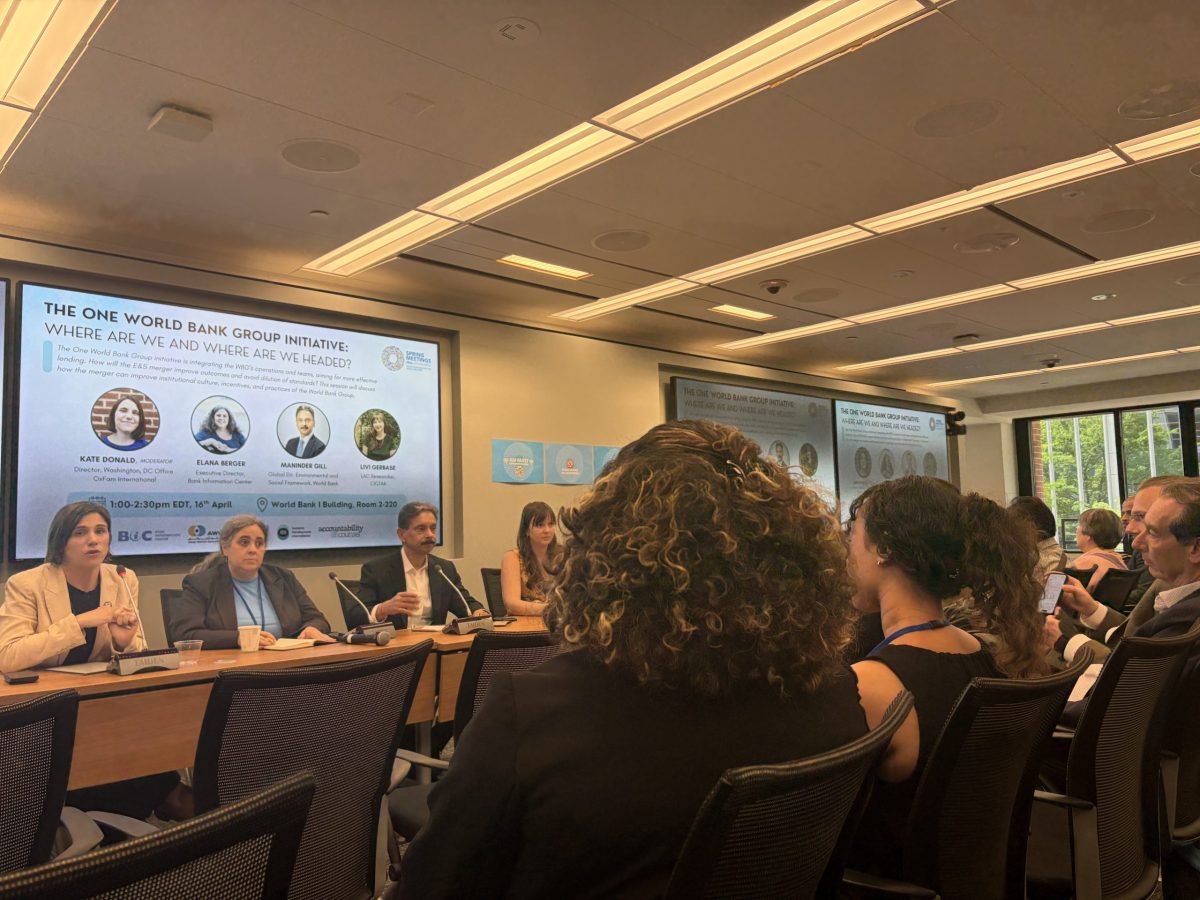
The One WBG Initiative: Where Are We and Where Are We Headed?
Will the E&S merger strengthen accountability or dilute it?
|
| |
|
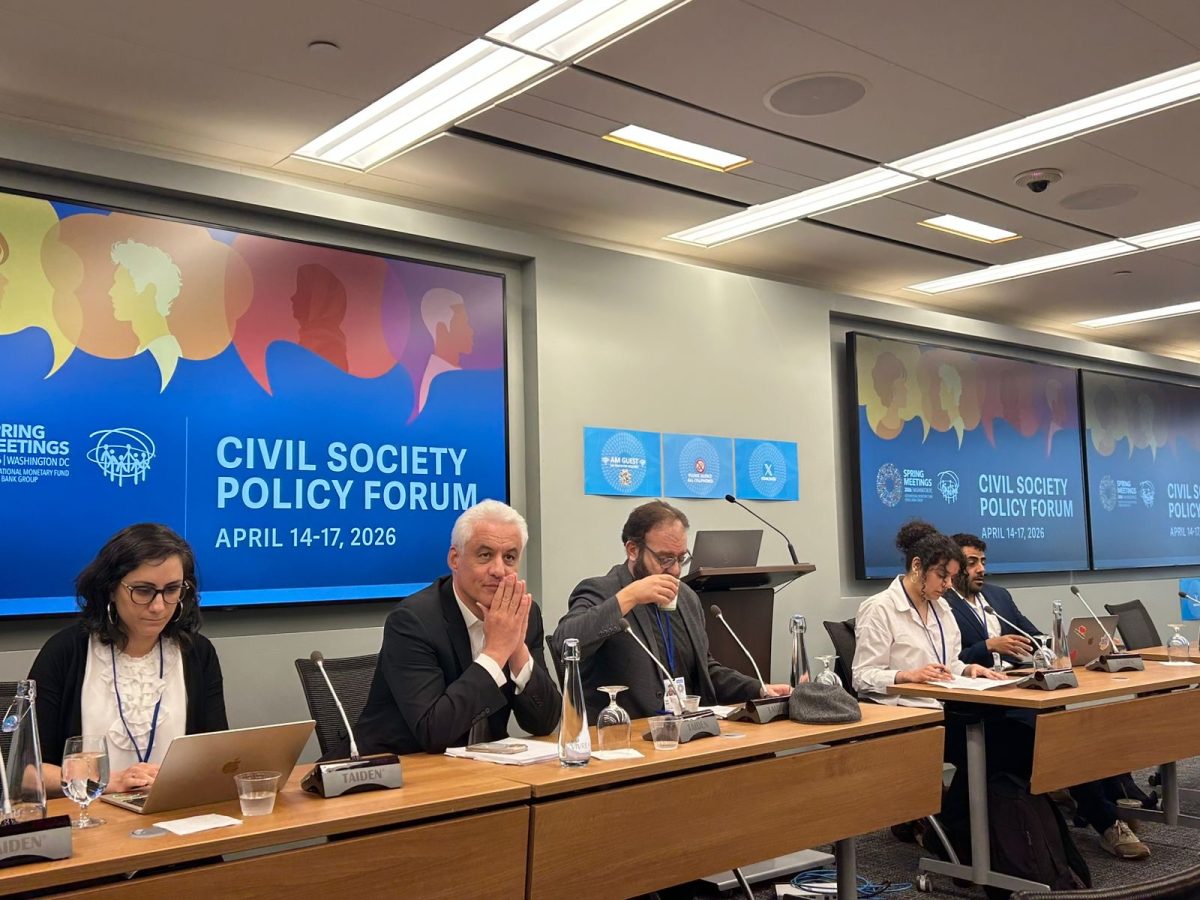
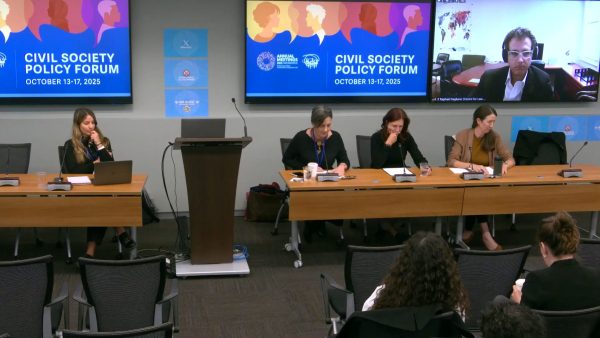
AWC co-organized this session with partner civil society organizations at the Civil Society Policy Forum (CSPF), held alongside the Spring Meetings. The session examined whether the WBG's consolidation of its environmental and social teams under the "One World Bank Group" initiative will strengthen or dilute accountability standards on the ground and whether the merger can produce genuine improvements in institutional culture and incentives, or whether structural integration comes at the cost of standards communities depend on.
Watch recording →
Co-organized with Bank Information Center, Arab Watch Coalition, Urgewald, Inclusive Development International, Accountability Counsel |
| |
|
Enabling Remedy: IFC's Interim Remedial Action Framework — One Year In
Assessing implementation of the first DFI remedy framework
|
| |
|
AWC co-organized this session with partner civil society organizations at the Civil Society Policy Forum (CSPF). The session examined the implementation of IFC's Interim Approach to Remedial Action; the first remedy framework introduced by a major development finance institution and a significant milestone in recognizing that harm must be repaired, not just acknowledged. One year into its pilot, the panel brought together civil society organizations and practitioners to assess how implementation is actually unfolding, share experiences of seeking remedy on the ground, and chart the path forward.
Co-organized with Accountability Counsel, African Coalition for Corporate Accountability (ACCA), Arab Watch Coalition, Bank Information Center, Recourse, Inclusive Development International
Watch recording →
|
| |
|
The IMF Review of Conditionality: Putting the IMF's Money Where Its Research Is: Closing the gap between IMF research and IMF programs
|
| |
|
AWC co-organized this session with partner civil society organizations at the Civil Society Policy Forum (CSPF). The session examined the gap between what the IMF's own research recommends and what its programs actually deliver. IMF publications regularly acknowledge that austerity undermines growth and that progressive, country-specific fiscal approaches perform better yet actual programs continue to set over-optimistic targets, miss them, and derail reforms. Using country case studies alongside IMF and independent research, the panel made the case for operationalizing the IMF's own findings through the Review of Conditionality shifting to expansionary, context-sensitive reforms that account for political economy realities and distributional impacts.
Watch recording →
Co-organized with The Tahrir Institute for Middle East Policy,, Global Social Justice, International Trade Union Confederation (ITUC), Arab NGO Network for Development (ANND), WEMOS, Third World Network, TA’AFI Initiative, Noria Research, Gherbal Initiative, Egyptian Front for Human Rights, MENA Fem Movement for Economic, Development and Ecological Justice, Global Coalition for Social Protection Floors (GCSPF), Human Rights Watch, EuroMed Rights, Bretton Woods Project, Syrian Center for Policy Research, The Center for Egyptian Women's Legal Assistance, Shirakat Foundation, Success Capital Africa, Malcolm H Kerr Carnegie Middle East Center, Refugee Platform in Egypt, Arab Reform Initiative, Al Bawsala, The Sanaa Center for Strategic Studies, Egyptian Human Rights Forum, The Egyptian Commission for Rights and Freedoms, Recourse, Badil
|
| |
|
Authorized to Rebuild? Who Governs Reconstruction in Conflict-Affected States in 2026?
|
| |
|
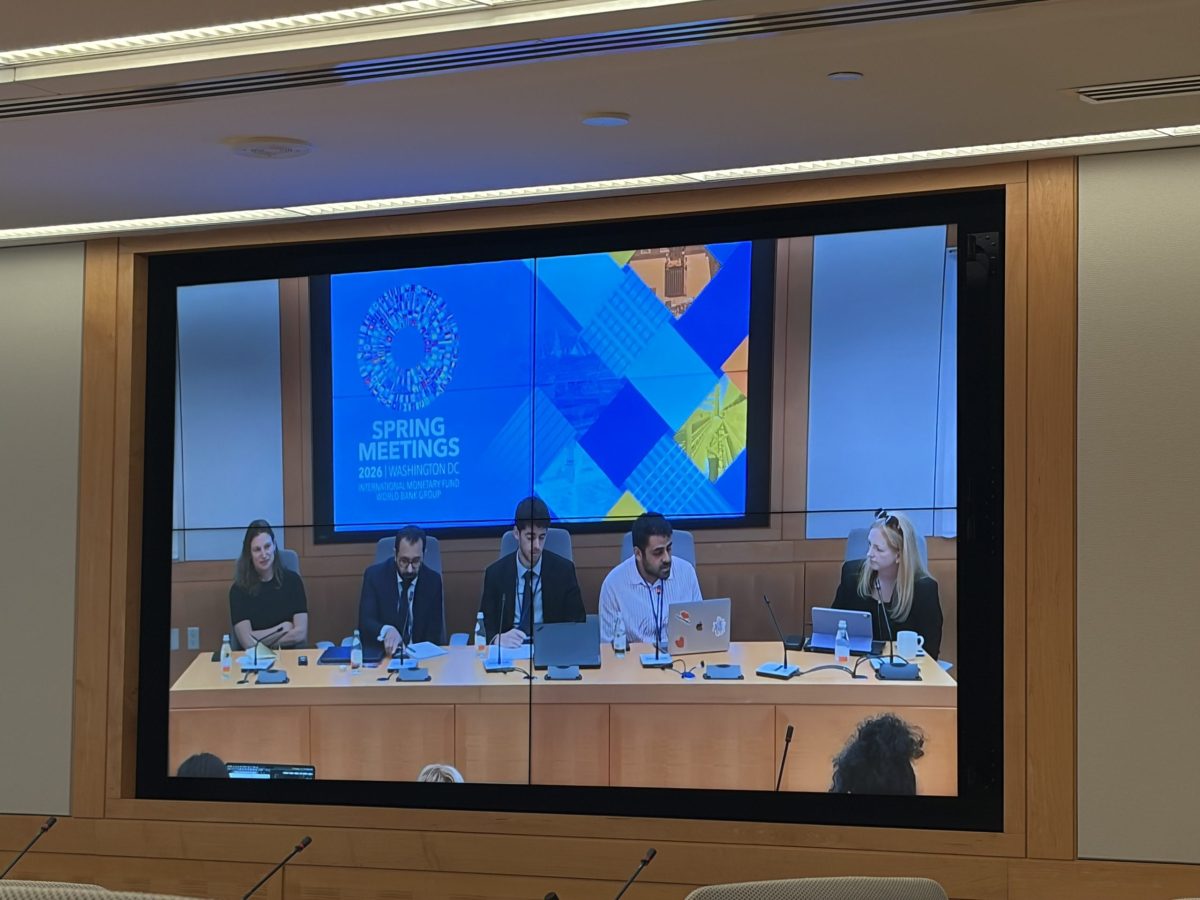
AWC convened a high-level session at the Civil Society Policy Forum during the IMF-World Bank Spring Meetings 2026 titled “Authorized to Rebuild? Who Governs Reconstruction in Conflict-Affected States in 2026?”, bringing together a cross-section of leading policy and research voices, including Nur Arafeh, Hossein Cheaito, Sarah Anne Rennick, Karam Shaar, Sahar Mechmech, and Xavier Devictor, moderated by Nabil Abdo .
The session was particularly timely in light of this year’s Spring Meetings, where conflict was largely framed through macroeconomic risk and shock management, and intervened by reframing reconstruction as a fundamentally political process shaped by governance structures and power asymmetries. Through its contribution, AWC positioned itself as a key regional actor advancing grounded, political economy critiques of IFI approaches to reconstruction, linking developments in the Arab World to broader shifts in how recovery is being pre-structured under FCV (fragility, conflict, and violence) and macroeconomic frameworks.
Co-organized with Tahrir Institute for Middle East Policy, Malcolm H Kerr Carnegie Middle East Center, Arab NGO Network for Development, Arab Reform Initiative, The Centre for Social Sciences Research and Action, The Phenix Center for Economics & Informatics Studies, T.E.R.R.E. Liban, Human Rights Watch
Watch recording →
|
| |
|
Bilateral Engagement : Meetings with Executive Directors, Bank Management, and IAM Staff
|
| |
|
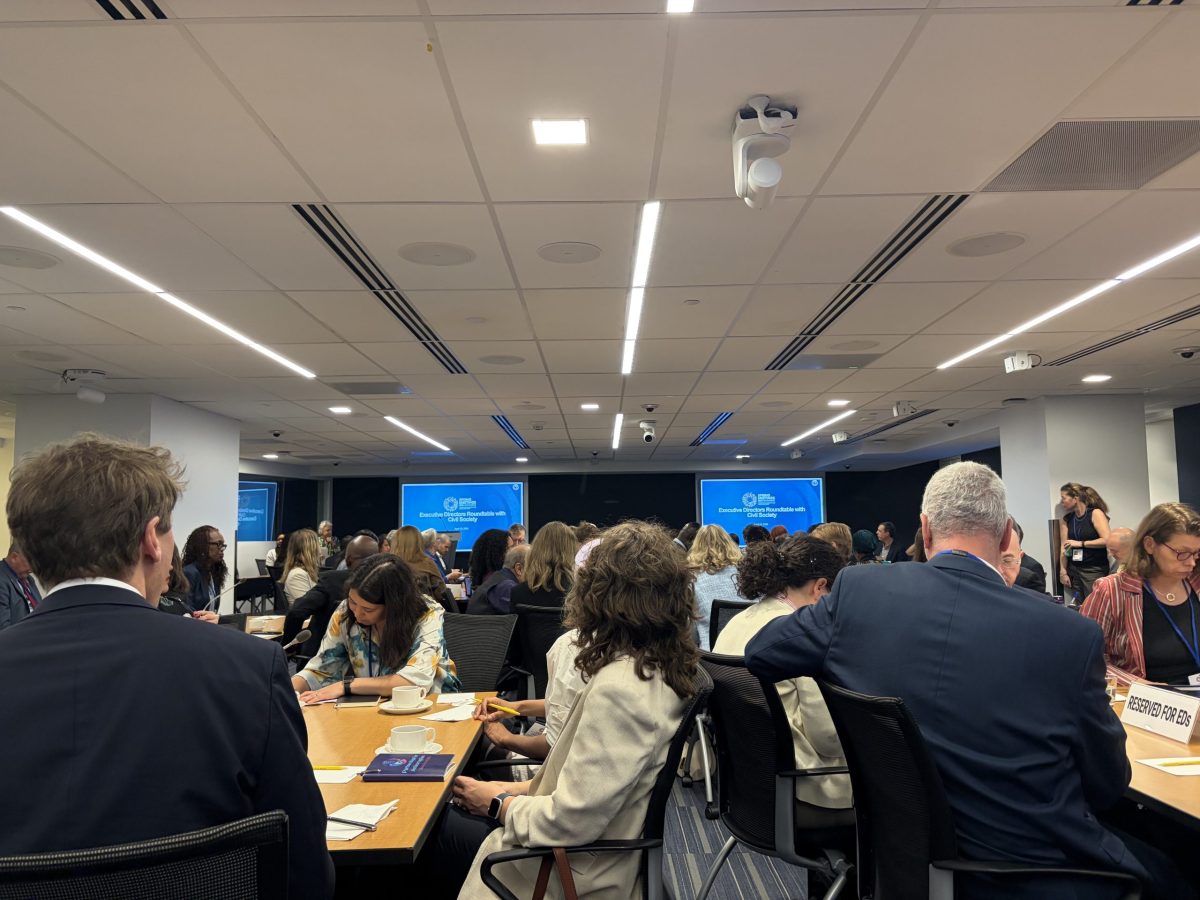
AWC participated in the EDs roundtable and held direct bilateral meetings with World Bank staff, management, and IAM staff across the meetings week. These exchanges are a critical part of AWC's advocacy, they allow us to bring concerns raised in formal submissions into direct dialogue with the people making decisions, track commitments over time, and build the sustained relationships that make long-term advocacy possible. Discussions covered accountability reform, the sustainability framework update, and other AWC priorities.
|
| |
|
Rebuilding Fiscal Institutions in Fragile and Conflict-Affected States:
Insights from Syria's engagement with the IMF
|
| |
|
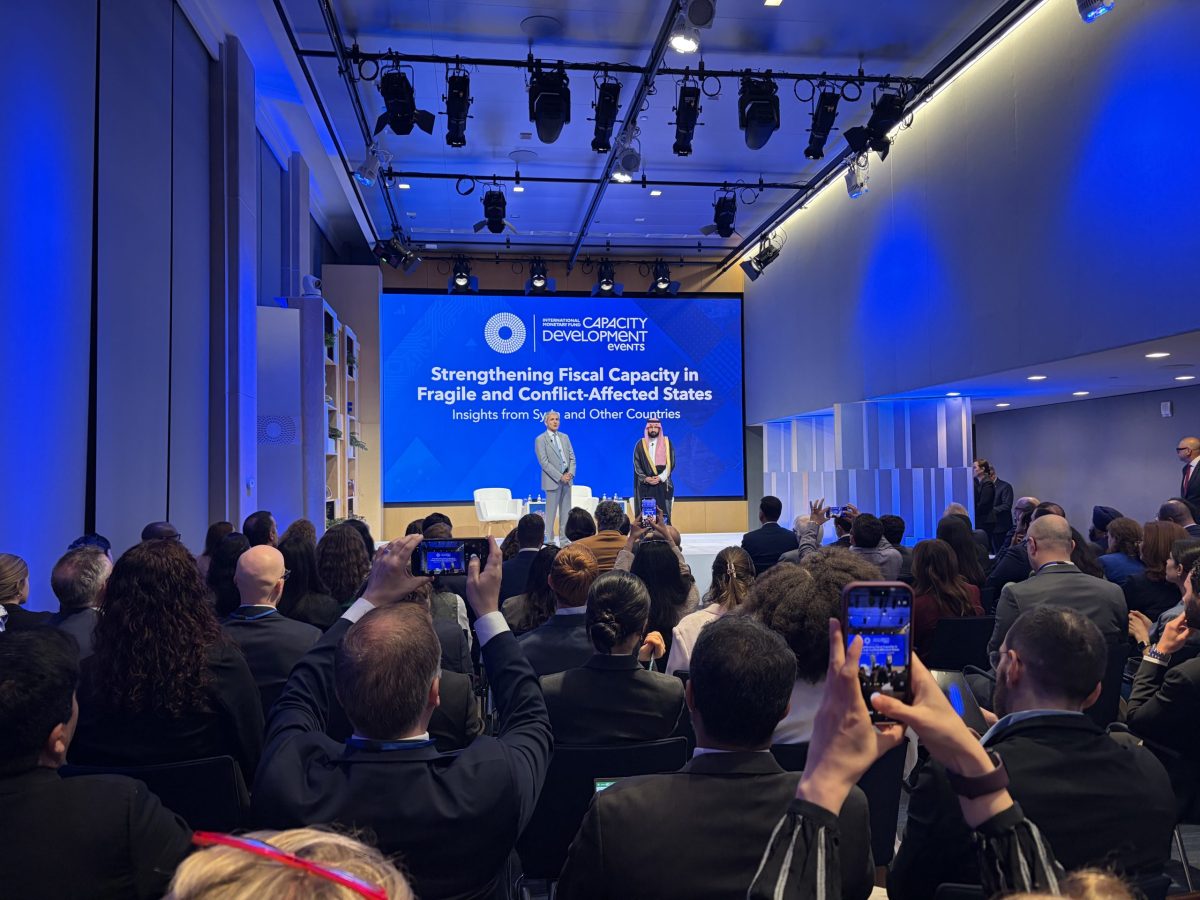
AWC attended the IMF Institute for Capacity Development side event centered on Syria's experience rebuilding fiscal institutions after a 14-year absence of IMF engagement. The session featured Syria's Minister of Finance Yisr Barnieh alongside senior IMF economists and a representative from Saudi Arabia, one of the IMF's largest capacity development funders.
Syria's fiscal situation at the start of engagement was extremely difficult: shrinking GDP, limited fiscal space, collapsed institutional trust, near-total absence of usable data, and large gaps in staff capacity after years of conflict. IMF re-engagement began in spring 2025 at Syria's own request, with an initial mission to Damascus producing a comprehensive fiscal roadmap, followed by targeted missions on budget preparation, cash management, tax policy, and the oil and gas fiscal regime.
Progress has been concrete: Syria completed and approved its 2026 budget, published a citizen budget for the first time in Syrian history, restructured its tax authority to embed private sector participation, and committed to consultation-based policymaking. Looking ahead, priorities include Treasury Single Account reform, finalizing the Public Financial Management law, strengthening domestic revenue, institutionalizing quarterly fiscal reporting, and a broader digitalization agenda.
For AWC, the session offered relevant insights on how IFIs engage in conflict-affected settings, the importance of presence, ownership, the sequencing of reforms, and continuity dynamics directly relevant to our broader work on reconstruction governance and IFI engagement across the Arab region. |
| |
|
AWC's engagement does not end with the meetings. On IFC's Sustainability Framework and Access to Information Policy, we are awaiting the first draft of updated documents expected by the end of 2026, and will continue pressing for our coalition's recommendations through ongoing advocacy and direct engagement with IFC. On reconstruction governance, AWC plans to coordinate with Lebanese and Syrian partner organizations to develop a civil society advocacy strategy, to ensure that communities have a meaningful voice in shaping the reconstruction agenda before key decisions are locked in. On the IAM integration, we will follow the process closely as the Independent Task Force's final report goes to the Board's Committee on Development Effectiveness (CODE), and will engage on whatever structural and policy decisions follow.
The work continues and we welcome partners who want to engage with us on any of these fronts.
|
| |
|
We thank our members for their continued support and collaboration ! |
| |
|
Visit our website for more!
|
| |
|